
clear laminated glass
The Indispensable Role of Rebar in Concrete Construction Rebar, an abbreviation for reinforcing bar, stands as a fundamental element in the world of concrete construction. It is a steel bar or mesh of steel wires used to reinforce concrete and masonry structures, enhancing their strength and stability. The synergy between rebar and concrete forms a robust structural system that is capable of withstanding immense loads and stresses. Concrete, by its nature, is strong in compression but weak in tension. This inherent weakness is where rebar comes into play. The tensile strength of rebar compensates for concrete's deficiency, creating a composite material that can endure both compressive and tensile forces effectively. When concrete hardens, it holds the rebar in place, while the rebar resists any attempt to pull the concrete apart, thus providing the necessary structural integrity. The use of rebar in concrete dates back to ancient Rome, where iron bars were embedded in concrete to reinforce structures like aqueducts and arches. Today, rebar is manufactured in various grades and sizes, each designed for specific applications, from residential buildings to massive infrastructure projects like bridges and high-rise towers. The process of incorporating rebar into concrete is meticulous. It involves placing the steel bars or mesh within the formwork before pouring the wet concrete It involves placing the steel bars or mesh within the formwork before pouring the wet concrete It involves placing the steel bars or mesh within the formwork before pouring the wet concrete It involves placing the steel bars or mesh within the formwork before pouring the wet concrete rebar stands for concrete . Once the concrete sets, a bond is formed between the steel and the concrete, creating a unified structure. This bond, along with the mechanical interlock provided by the rough surface of the rebar, ensures that the two materials act together when subjected to stress. Rebar not only improves the structural performance of concrete but also extends the lifespan of structures. By absorbing and distributing stress, it reduces the risk of cracks and deformation, thereby preventing premature failure. Moreover, it enhances seismic resistance, making buildings more resilient to earthquakes. In recent times, with a focus on sustainability, researchers have developed advanced types of rebar such as fiber-reinforced polymers, which offer corrosion resistance and lighter weight, reducing the carbon footprint of construction. In conclusion, rebar, the backbone of concrete structures, plays a pivotal role in modern construction. Its significance lies not just in its ability to strengthen concrete but also in its contribution to safety, durability, and resilience. As technology advances, the future of rebar and concrete collaboration promises even more innovative solutions to the challenges of construction, ensuring that our built environment remains robust and sustainable.
about
clear laminated glass
Understanding Pipe Saddle Clamps Features, Benefits, and Applications In various industries, the integrity of piping systems is paramount. Pipes transport essential fluids and gases, and ensuring that these pipes are securely held in place is critical for both safety and efficiency. One of the most effective tools for achieving this is the pipe saddle clamp. This article delves into the features, benefits, and applications of pipe saddle clamps and why they are indispensable in modern piping systems. What is a Pipe Saddle Clamp? A pipe saddle clamp is a mounting device designed to support and secure pipes in a range of configurations. Typically made from robust materials like steel, stainless steel, or plastic, these clamps are shaped like a saddle, allowing for a firm grip around the pipe while providing stability and support. The design often includes a base plate that can be secured to surfaces such as walls, ceilings, or floors, facilitating a secure installation. Features of Pipe Saddle Clamps 1. Material Variety Pipe saddle clamps are available in various materials to suit different environments and applications. For instance, stainless steel clamps are resistant to corrosion, making them ideal for marine or chemical processing applications, while plastic clamps might be used in less demanding situations. 2. Adjustable Sizing Many pipe saddle clamps come with adjustable features to accommodate different pipe diameters. This versatility is crucial for industries where piping systems might change or expand. 3. Ease of Installation Installing pipe saddle clamps is generally a straightforward process, requiring minimal tools. This ease of installation not only enhances efficiency during the setup but also reduces labor costs. 4. Durability and Strength Pipe saddle clamps are designed to withstand significant loads and pressures, making them reliable for various heavy-duty applications. Their robust construction ensures they can handle vibrations, thermal expansion, and other stressors that pipes may encounter. 5. Versatility These clamps can be used for various applications, from HVAC systems and plumbing installations to industrial manufacturing and even construction projects. Their adaptability ensures that they can meet the specific needs of different sectors. pipe saddle clamp Benefits of Using Pipe Saddle Clamps 1. Enhanced Stability By securely holding pipes in place, pipe saddle clamps prevent movement that could lead to pipe stress, leaks, or breaks. This stability is crucial for maintaining system integrity, especially in high-pressure environments. 2. Cost Efficiency Investing in quality pipe saddle clamps can lead to long-term savings. Reliable clamps reduce the risk of costly repairs and downtime caused by piping failures, thus maintaining operational efficiency. 3. Safety Compliance Many industries are governed by strict safety regulations regarding piping systems. Using quality pipe saddle clamps ensures compliance with these regulations, protecting workers and facilities from potential hazards. 4. Simplified Maintenance When pipes are properly secured, maintenance tasks become more manageable. Technicians can easily access and inspect pipes without having to contend with excessive movement or instability. Applications of Pipe Saddle Clamps Pipe saddle clamps find diverse applications across multiple industries - Construction Used for securing plumbing and HVAC pipes in residential and commercial buildings. - Manufacturing Essential in maintaining the organization of piping systems in factories, especially in assembly lines. - Oil and Gas Used to secure pipes that transport oil, gas, and other hazardous materials, ensuring safety and compliance. - Marine Utilized in shipbuilding and maintenance to secure piping systems that face harsh environments. Conclusion Pipe saddle clamps are a vital component of many piping systems, offering numerous benefits that enhance safety, efficiency, and durability. Their ability to securely hold pipes in place not only prevents potential failures but also contributes to cost savings and compliance with industry standards. As industries continue to evolve, the role of pipe saddle clamps will remain significant, ensuring the reliability of vital piping systems across the globe.
-

High quality industrial productsagement

High quality industrial products
View Details -

Meet the diverse needs of customers

Meet the diverse needs of customers
View Details -

Strict quality control

Strict quality control
View Details -

Top raw materials

Top raw materials
View Details -

Trusted supplier

Trusted supplier
View Details
Our application



news and information

Vis mig et vaterpas til præcise målinger
Vis mig et vaterpas Vaterpas er en uundgåelig værktøj i både byggeri og håndværk, men har også en dy
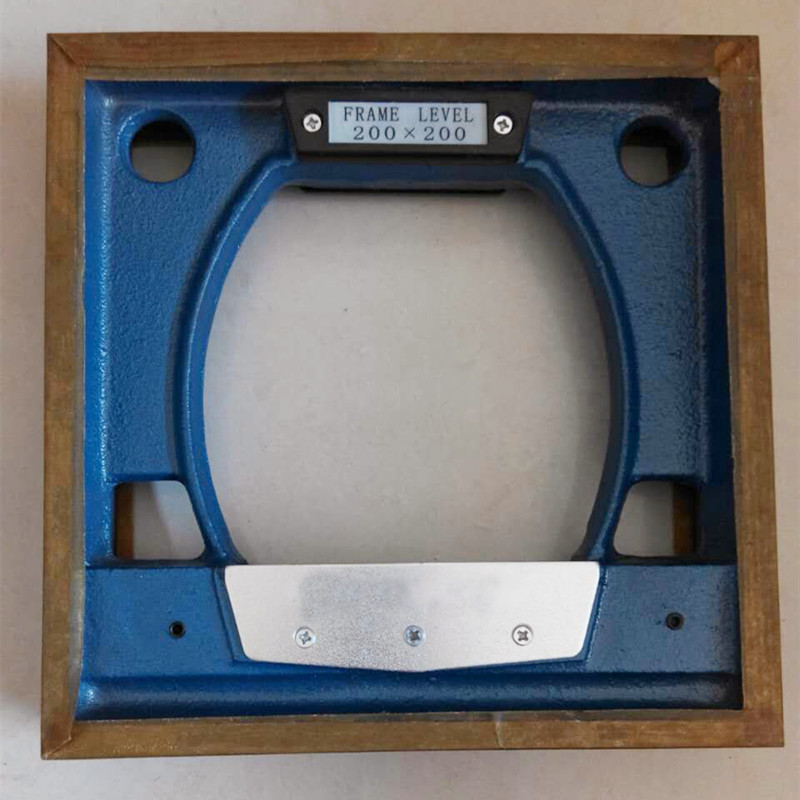
Versatile Granite Square Ruler for Precision Measuring and Construction Tasks
The granite square ruler, often celebrated as a pivotal tool in precision measurement and classical
welding table 4x8
Welding Table 4x8 A Vital Tool for Every Welder In the world of metalworking, a sturdy and functiona
 English